


Love Hate Relationship of Pakistani Filmmakers & Movie Critics
Pakistani film industry is almost 71 years old, the first ever Pakistani film which released was Teri Yaad (Aug – 1948) which was directed by Daud Chand. Today, in 2019, Pakistani filmmakers keep repeating that the industry is reviving and Pakistani film industry is in its reviving stage. I don’t know about others, but I personally don’t buy this at all. Let’s have a look at this interesting claim too:
Revival(s) of Pakistani Cinema
After the era of Sudhir, Santosh Kumar, Mohd. Ali, Nadeem, and Waheed Murad etc there was a time when Pakistani film industry was not producing quality films and as a result films started to fail at the box office in bigger numbers. The first ever revival of Pakistani cinema started when films like Jeeva and Mushkil released in 1995, they had great storylines, thoughtful subject and memorable music. Then there was another revival when Yeh Dil Aapka Hua (2002) released and every Pakistani cine-goer was head over heels for the film and it actually brought back many families to cinema halls. After that there was a series of disappointments, and then came 2007 and 2011 when Shoaib Mansoor released Khuda Kay Liye and Bol (respectively) that was the 3rd revival of Pakistani Cinema and it has been good 10 years since that.
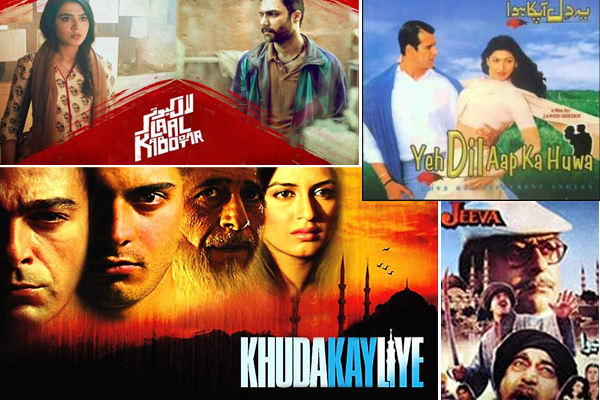
So, filmmakers who keep on pleading that Pakistani audience and film critics should support Pakistani films just because they are from Pakistan don’t have any logic attached to their appeal. Throughout the world quality films work and disastrous films are bombed at the box office. Even movie critics don’t appreciate films which offer zilch creativity or in many cases quality entertainment.
Recently the trend of film premieres is seen bubbling up in multiple cities of Pakistan where film journalists, media, critics, reviewers and movie bloggers are invited by PR teams, directors, producers and others. All seems fine until someone shares a review that is not music to ears for filmmakers.
Filmmakers Point On Reviews:
Some filmmakers are of the viewpoint that film reviews should be published or shared only after one week of films’ release date. Well, then what will be the need of reviews? In a country like Pakistan where majority of the films don’t even pass the litmus test at the box office and are taken down within 3 to 4 days (mostly on Mondays) by cinema owners because of a legit reason i.e. they don’t perform or gather the audience for the shows. In such a scenario who will at very first point need the movie review? Plus, it’s a worldwide practice (since ages) that movie reviews are published on digital publications, blogs and YouTube channels immediately after the film releases publicly. Rotten Tomatoes, IMDb, Bollywood Hungama and Cinema Blend are just a few examples from where this practice can be cross-checked.
Here are a few answers from a few prominent Pakistani film critics which I received upon asking them the following question:
Q: What’s your take on “should movie reviews be shared after the release of the film or reviewers and digital publications wait 4 – 7 days and then post them?”
According to Momin Ali Munshi from Galaxy Lollywood
“Reviewing a film before the public release is totally wrong and unethical but once a film is released on Friday i.e. it’s publicly released, then I believe it’s no more a directors, actors or filmmakers property and after that you are free to analyze, dissect and share your critique over it”
Furthermore, Kamran Jawaid, another film critic/journalist who regularly writes for ICON – a print publication, adds
“That’s utterly idiotic, in my opinion. What good are reviews a week after a release? While I am not in favor of reviews coming out immediately after the premiere – especially if the premiere happens a few days before the actual release – delaying reviews in a market that, for most part, only has a box office life of 2 or 3 weeks, doesn’t make sense. Also, what if the film is good (which is a rarity)? Producers or reps often hound critics to post early reviews if they liked the film. Bad reviews only hurt bad films… irrespective of whether they had a good start at the box office. Bad word of mouth, also a form a review, albeit from the public’s perspective, may or may not doom a film eventually”
Maira Sarfaraz shares,
“In my view, nobody could be forced to hold a review if they have watched the film. If it really has an affect on the film’s business, producers should come up with another idea. You can’t stop everyone from sharing a review. Even if the critics hold their reviews, how can you stop general public?”
Why Film Reviews?
Any reviewer or film critic reviews a film so that audience can know what the film actually offers; is it good, bad or ugly? Does it offer quality entertainment, impeccable performances or some strong message for the society? A review describes what to expect from a film – criticism is not negative always, it should be taken positively by filmmakers so that they can improve.
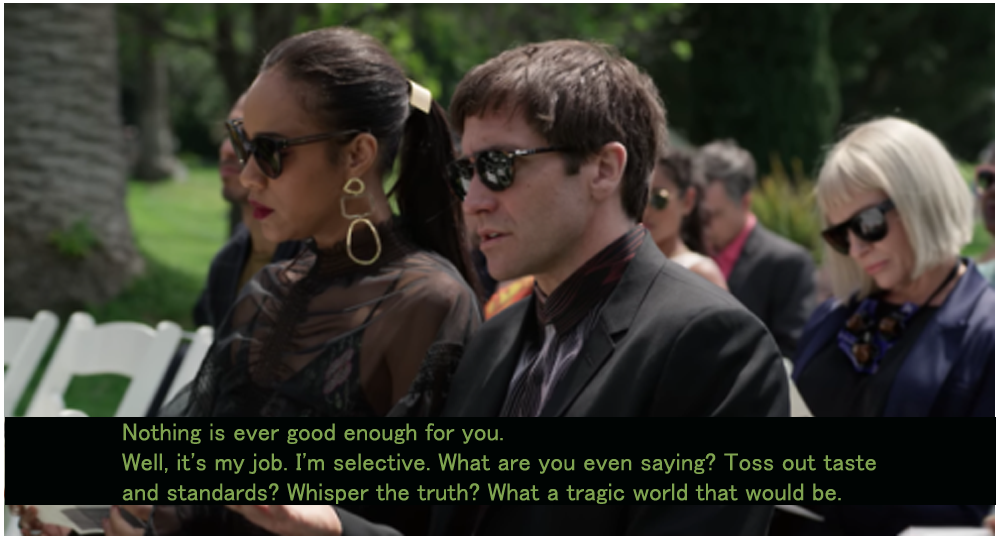
Movie reviews are also a mode of promotion for good films; there are films which aren’t backed by either a huge budget or any media house and they find it very difficult to even breathe at the box office when surrounded by heavily marketed films. Mostly films with parallel or subject oriented cinema go through that. In such scenarios film critics uplift the film with their authentic and genuine reviews. And this creates a positive buzz about those films and audience visits theaters to watch those movies.
Filmmakers’ Unrealistic Expectations:
There are filmmakers, who without understanding critics’ point of view, expect reviewers to “only” write good about their films. Why? Because they made it with utmost efforts and in miserable conditions but then again, if the film doesn’t offer quality and has no entertainment quotient then why would anyone go and want to watch the film? Why can’t filmmakers take criticism open-heartedly? Why do these filmmakers have grudges against those who share their opinion without being influenced or getting biased? We’ve seen filmmakers and actors going all out with hate-speech agenda against film critics just because they expressed their genuine opinion about films. When filmmakers will produce good and quality films, they will not have to be worried about the final outcome at the box office. Good films perform, bad films don’t; simple logic.
Another question which I asked from Pakistani film critics was
Q-2: Should a movie critic support and appreciate quality cinema or they “must” write only good about a film that belongs to their country?
to which they replied:
“We’ve been there, we’ve done that. Now it’s time to support good cinema, on its merit” (Momin Ali Munshi)
“And how would that help the industry in the long run. This is strictly a selfish point of view. The press promotes films by publishing front page interviews, and at that time we become supporters. By the time of release, when we judge the film on merit, we become despicable villains. Again, where is the logic in that? It’s about neutrality. 90% of our films bombed in the 80’s, 90’s, 2000’s. At the time, most publications would simply ignore Pakistani films because of their lack of quality. Even then, when almost no one was writing film reviews, only 1 in 10 films made money. It’s not the critics problem that a filmmaker doesn’t know what he is doing” (Kamran Jawaid)
Maira Sarfaraz, CEO of Content Creatorz, film promotion strategist and a film enthusiast, adds
“Review should be real. The plus points should be highlighted. Negative should be highlighted. Overall raring should be given“
So, ideally bluffing or misleading audience won’t take anyone anywhere. Especially after Netflix, audiences have become more educated and informed about what kind of content is produced worldwide. It’s about time that filmmakers start investing more logic, good content and time in their projects rather than playing blame games or chanting “Support cinema” anthem.
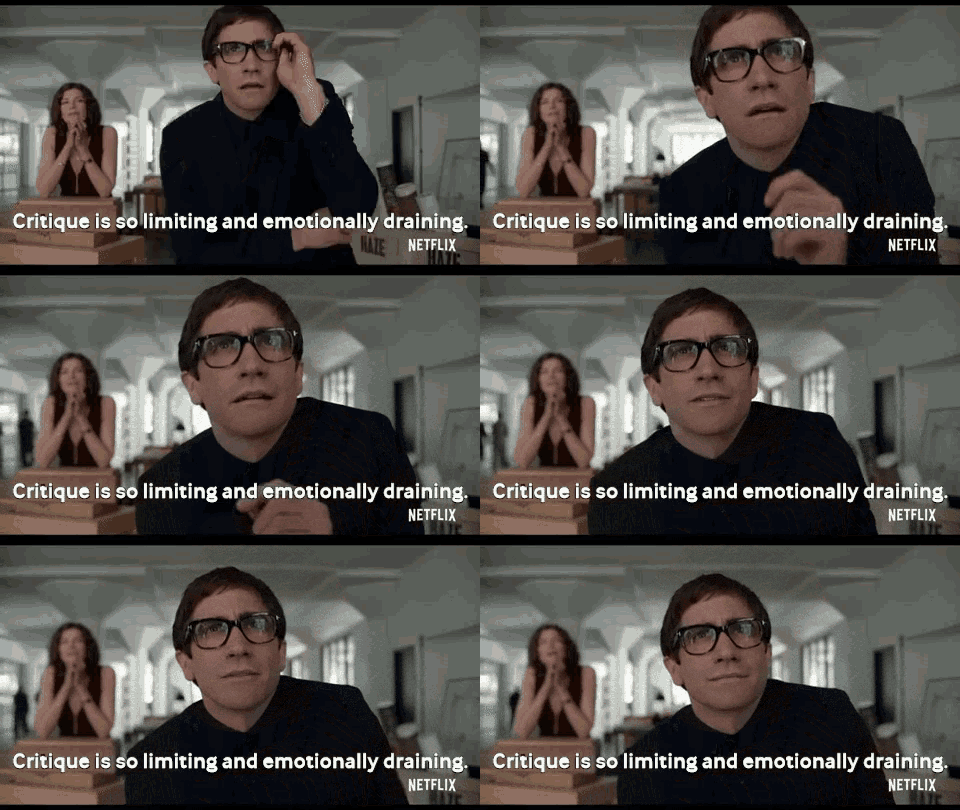
I, personally, would like to conclude this with one of my favorite dialogues from Velvet Buzzsaw by Morf Vandelwalt…
“A bad review is better than sinking into the great glut of anonymity”








Facebook Comments