


The Pakistani Cinema Rollercoaster 2022
The Pakistani film industry often leans on the plea to “support Pakistani cinema,” but success hinges on content that resonates with audiences. Post-pandemic, filmmakers rushed to release films to revive cinemas, hoping to stabilize the industry.
As 2022 wrapped up, here’s a rundown of notable releases—good, bad, and everything in between.
Hits and Misses of Pakistani Cinema in 2022
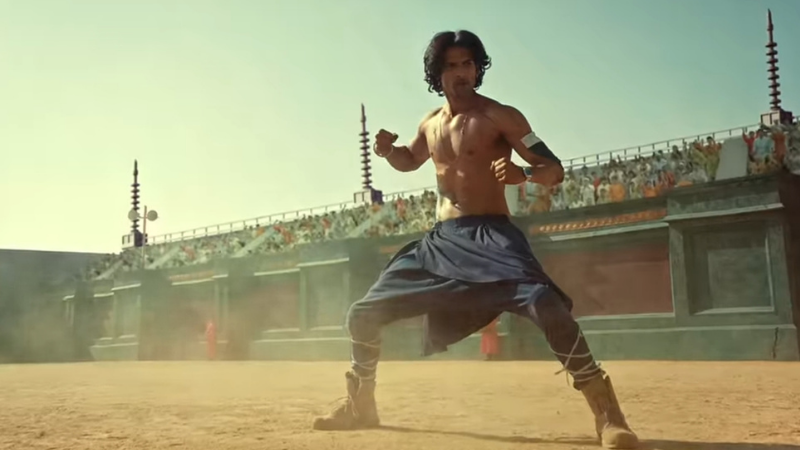
Ishrat Made in China (IMIC) by Mohib Mirza promised authentic Pakistani humor but delivered a mishmash of Bollywood clichés. Its donkey-racing premise fell flat, offering little substance, reminiscent of forgettable films like “Tees Maar Khan.”
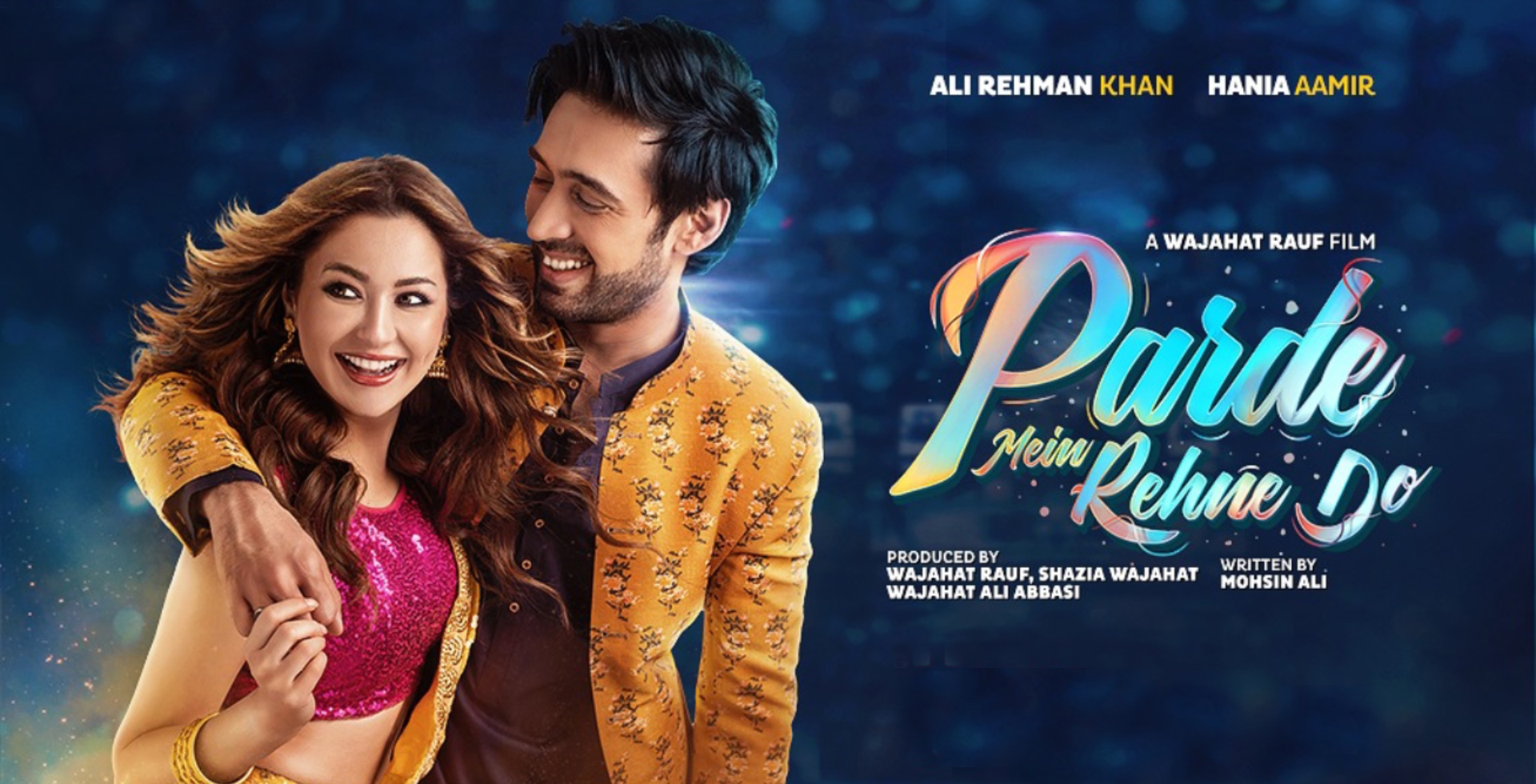
Parde Mein Rehne Do (PMRD) by Wajahat Rauf, tackling the sensitive issue of childlessness, lacked the emotional depth and script strength to leave a lasting impact. Despite its serious theme, it quickly faded into obscurity.

Dum Mastam (DM), featuring Imran Ashraf, disappointed as a loud, unrequited love story. Despite a talented cast and decent music, the film failed to impress, making it a lackluster Eid release.

Chakkar, a murder mystery by Yasir Nawaz, fell short of its nail-biting promises. Predictable and poorly executed, its shallow characters and sloppy editing made it unbearable, though Nawaz’s acting was a slight redeeming factor.
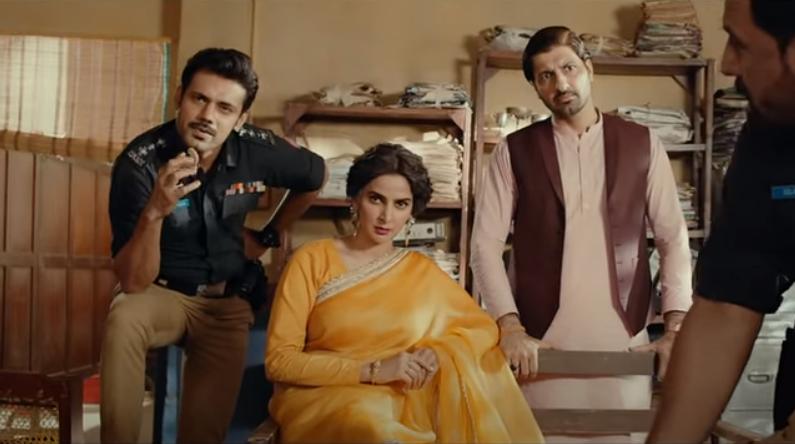
Ghabrana Nahi Hai, directed by Saqib Khan, stood out as a high-energy, entertaining heist film. With stellar performances by Saba Qamar, Zahid Ahmed, and Syed Jibran, it was a crowd-pleaser and box office success.
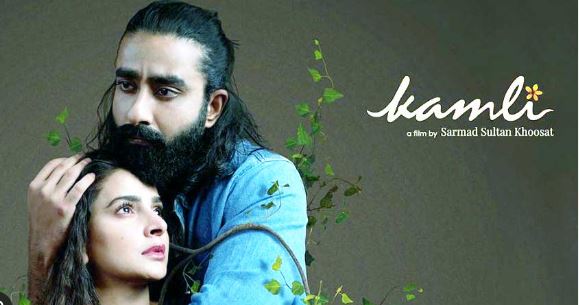
Kamli by Sarmad Khoosat received critical acclaim for its aesthetic and performances by Sania Saeed and Saba Qamar. While not for the masses, its artistic depth resonated with a niche audience, though some found it slow.
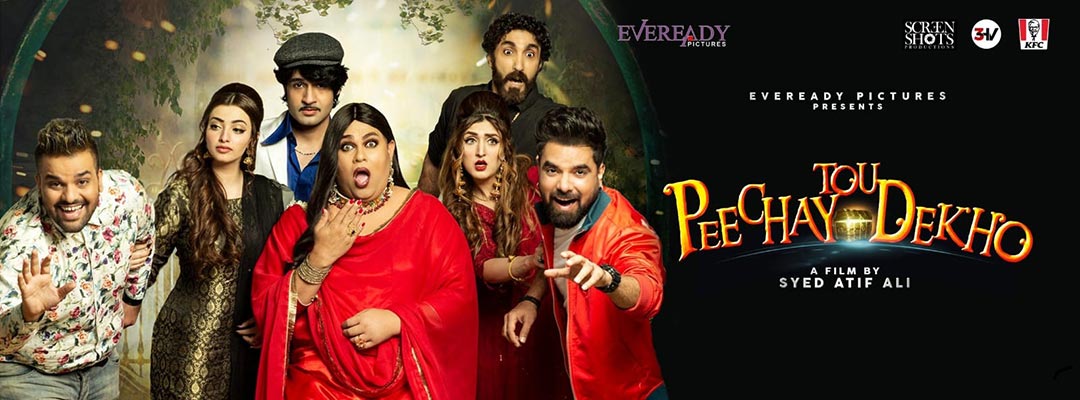
Peechay Tou Dekho, a horror comedy, had its strengths in writing and lead performances by Yasir Hussain and Aadi. Despite its earnest effort, it struggled at the box office due to some shortcomings.
The Legend of Maula Jatt (TLOMJ) was a phenomenal success, loved by all. With top-notch execution and stellar cast performances, it set a new benchmark for Pakistani cinema, becoming the highest-grossing film in the country.
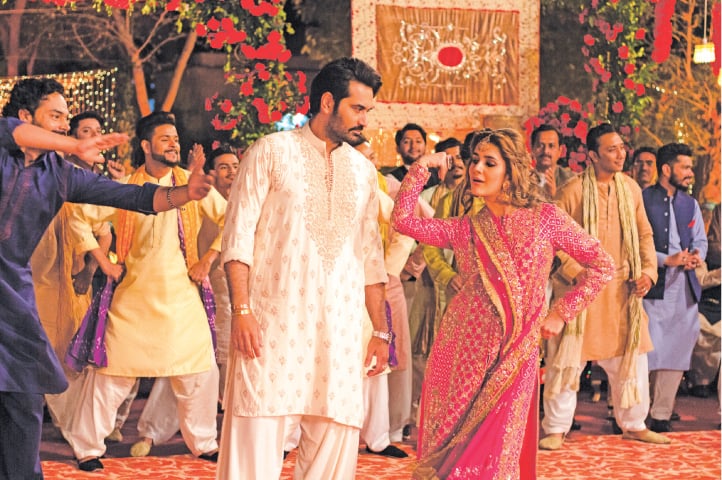
London Nahi Jaunga couldn’t replicate the success of “Punjab Nahi Jaungi.” Despite some highlights, its predictability and repetitive narrative made it a dull watch, marking it as one of the weaker films by its team.

Quaid-e-Azam Zindabad, delayed by the pandemic, entertained with over-the-top action scenes but lacked depth. Its unrealistic stunts and weak VFX made it more suitable for kids, failing to engage a broader audience.
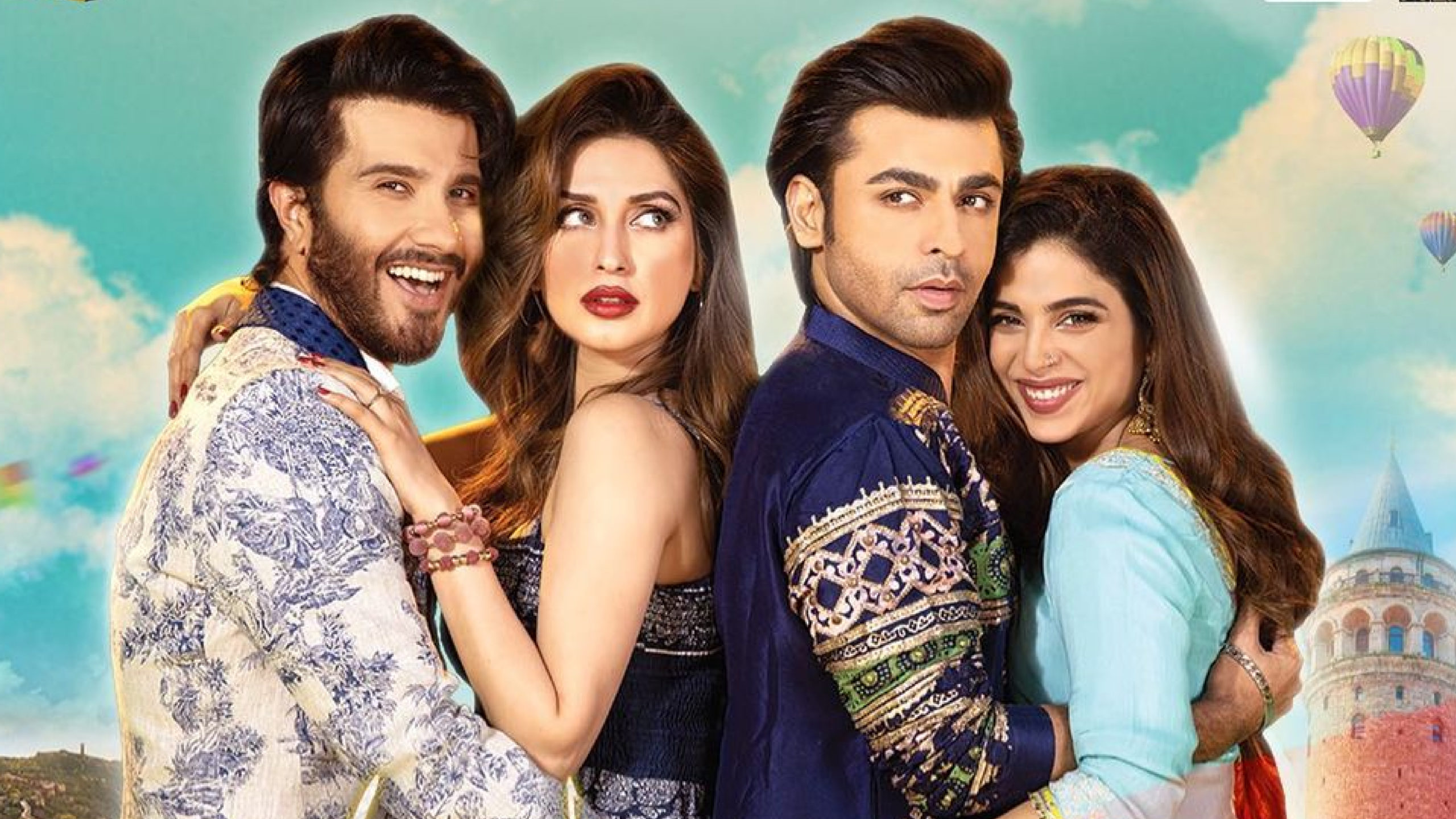
Tich Button offered good music, humor, and performances, making it a fun, time-pass movie. Despite some loud scenes, it performed well at the box office thanks to its drama and intense performances.
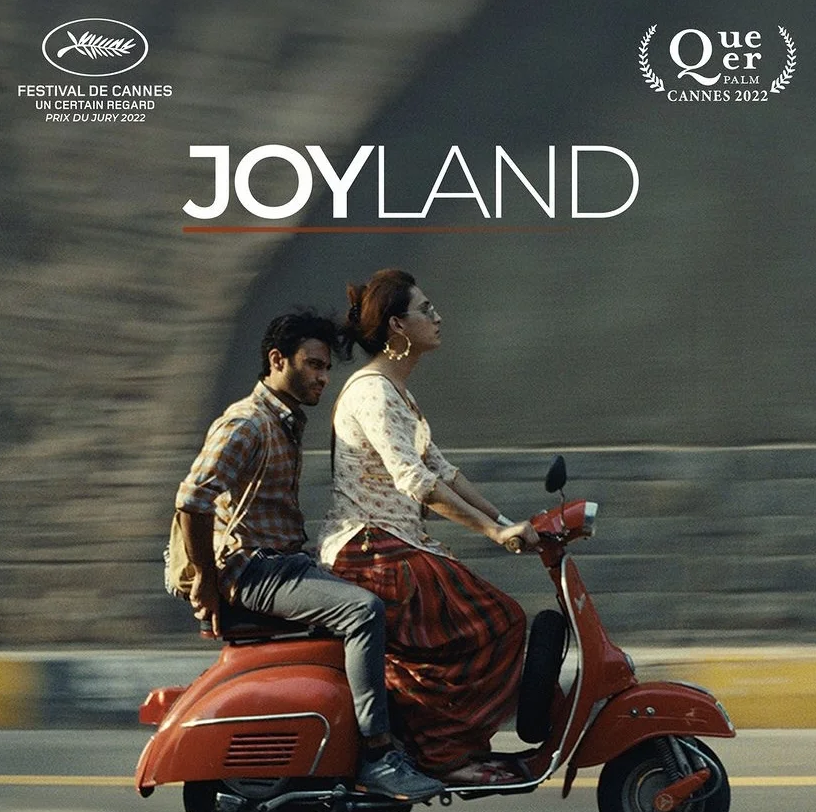
Joyland, one of the most controversial films, managed to attract audiences despite mixed reactions. It received appreciation for its bold content, though opinions were divided.
Other Films and Disappointments
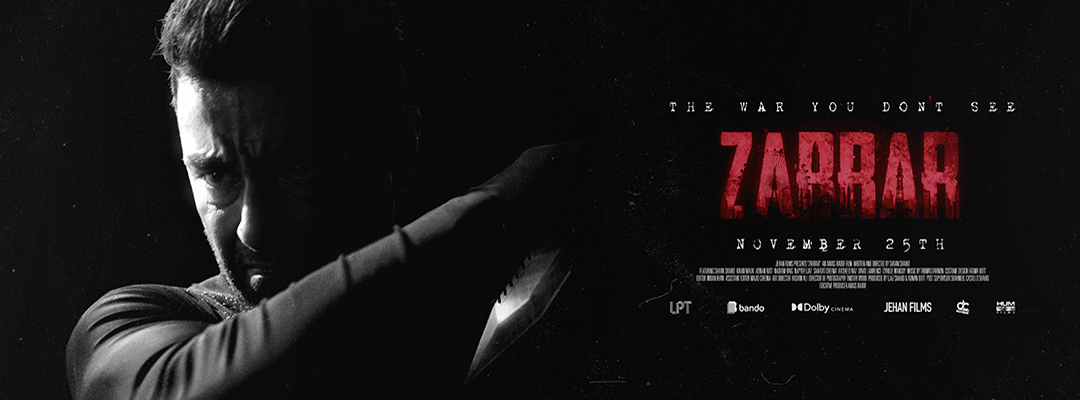
Zarrar by Shaan Shahid, despite high expectations, bombed at the box office. Its poor direction and editing left little to redeem, a missed opportunity for Shaan.
Films like Rehbra, Carma, Thori Life Thori Zindagi, and Yaara Vey were significant disappointments, barely discussed post-release. They underscored the need for quality content to avoid derailing the industry’s revival.
To thrive, Pakistani cinema must balance local content with foreign films, ensuring high-quality entertainment that draws audiences back to theaters. With hopes high for 2023, the industry needs to deliver films that captivate and sustain audience interest, moving beyond pleas for support to genuine cinematic excellence.







Facebook Comments